
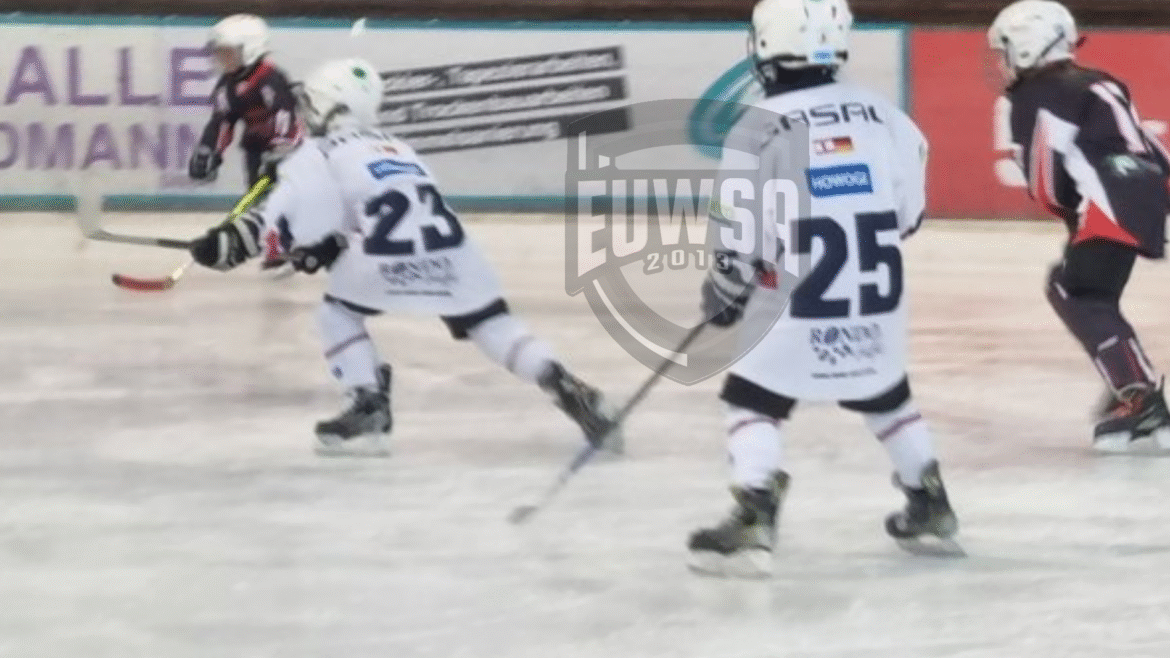
Agility is a crucial aspect of hockey that involves the ability to change direction quickly, maintain balance, and move efficiently on the ice. Improving agility helps players navigate through opponents, create scoring opportunities, and enhance defensive capabilities. Here are some specific drills and exercises to enhance agility in hockey:
- Cone Drills:
- Set up cones in various patterns on the ice and have players navigate through them using quick, precise movements.
- Emphasize quick direction changes, crossovers, and lateral movements.
- Ladder Drills:
- Use an agility ladder to practice quick footwork and coordination.
- Incorporate forward and lateral movements through the ladder, focusing on speed and precision.
- Plyometric Exercises:
- Include plyometric exercises like box jumps, lateral jumps, and bounding to improve explosive power and agility.
- Plyometrics help players develop the strength and coordination needed for quick movements.
- Mirror Drills:
- Pair up players and designate one as the leader and the other as the follower.
- The leader performs various agility movements, and the follower mirrors those movements, focusing on quick reactions and changes of direction.
- Reaction Drills:
- Use visual or auditory cues to prompt players to react quickly and change direction.
- Incorporate drills where players must respond rapidly to a coach’s commands or signals.
- Agility Hurdles:
- Set up low hurdles on the ice and have players practice hopping over them with quick and controlled movements.
- This helps improve lower body strength, balance, and coordination.
- Figure-8 Skating:
- Create a figure-8 pattern on the ice using cones and have players skate through it using quick crossovers and tight turns.
- This drill enhances agility while incorporating essential skating skills.
- Shuffle Drills:
- Have players shuffle laterally across the ice, focusing on maintaining a low stance and quick lateral movements.
- This is particularly useful for defensive players to stay in front of opponents.
- Crossover Sprints:
- Combine straight-line sprints with crossover steps to improve both straight-line speed and agility.
- Focus on quick transitions between straight-line skating and crossovers.
- Balance Training:
- Incorporate exercises that challenge players’ balance, such as single-leg drills and stability exercises.
- Improved balance contributes to better agility and control on the ice.
It’s essential to integrate agility drills into regular training sessions and practice them consistently to see improvements. Our coaches tailor drills to the specific needs of their players and consider the position they play on the ice. Agility training not only enhances performance but also plays a role in injury prevention by improving players’ ability to react and move efficiently.

Leave a reply