
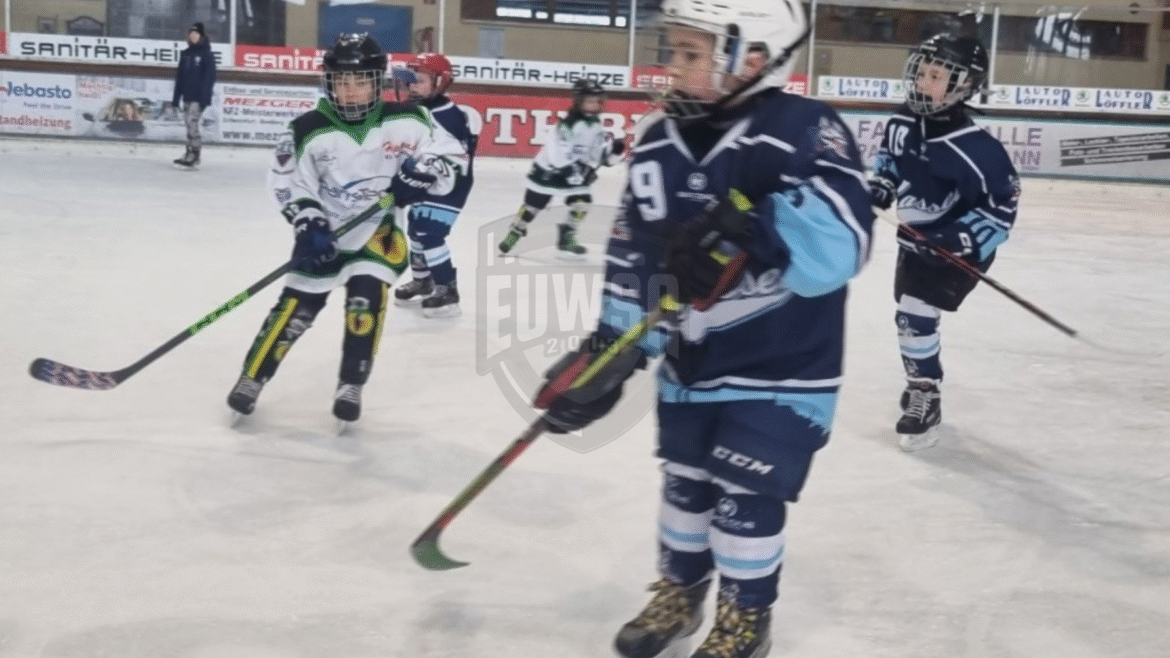
Technique in hockey is critical for mastering various skills involved in the game. Whether it’s shooting, passing, skating, or defensive maneuvers, proper technique allows players to perform more efficiently and effectively. Here are key areas of technique in hockey:
1. **Skating Technique:**
– **Stride:** Teach players the proper skating stride, emphasizing extension and power with each push.
– **Crossovers:** Instruct players on the correct technique for executing crossovers to enhance speed and agility.
– **Quick Starts and Stops:** Emphasize the importance of quick starts and stops for rapid changes in direction.
2. **Shooting Technique:**
– **Wrist Shot:** Teach the fundamentals of the wrist shot, including weight transfer, flexing the stick, and follow-through.
– **Snap Shot:** Instruct players on the quick release and power generation in a snap shot.
– **Slap Shot:** Focus on the wind-up, weight transfer, and striking the puck correctly for a powerful slap shot.
3. **Passing and Receiving Technique:**
– **Forehand and Backhand Passes:** Teach players the proper technique for delivering accurate passes on both the forehand and backhand.
– **Receiving Passes:** Emphasize soft hands, proper blade positioning, and body positioning when receiving passes.
4. **Stickhandling Technique:**
– **Controlled Dribbling:** Instruct players on keeping the puck close to the body while stickhandling to maintain control.
– **Quick Dekes:** Teach techniques for quick dekes and fakes to outmaneuver opponents.
5. **Defensive Techniques:**
– **Body Positioning:** Instruct defenders on proper body positioning to effectively block opponents and protect the net.
– **Stick Checks:** Teach the correct technique for using the stick to disrupt passes and shots without committing penalties.
– **Shot Blocking:** Emphasize proper shot-blocking technique, including getting in front of the puck and protecting vulnerable areas.
6. **Goaltending Techniques:**
– **Positioning:** Teach goaltenders proper positioning in the crease to cover angles and minimize open net space.
– **Rebound Control:** Instruct goalies on redirecting rebounds to safe areas and away from opponents.
– **Butterfly Technique:** Emphasize the proper execution of the butterfly technique for effective low shots blocking.
7. **Body Checking:**
– **Checking Techniques:** Teach players how to deliver and receive body checks safely and within the rules of the game.
– **Angling:** Instruct players on the art of angling opponents towards the boards to limit their options.
8. **Positional Awareness:**
– **Understanding Roles:** Ensure that players understand their positional responsibilities on the ice, both offensively and defensively.
– **Reading the Play:** Emphasize the importance of reading the play to make informed decisions based on the game’s dynamics.
9. **Faceoff Techniques:**
– **Hand Placement:** Teach players proper hand placement and body positioning during faceoffs to gain an advantage.
– **Quick Stick Movement:** Emphasize quick and controlled stick movement to win faceoffs.
10. **Game Intelligence:**
– **Hockey IQ:** Develop players’ understanding of the game, including anticipating plays, making strategic decisions, and adapting to different situations.
Consistent practice, feedback, and attention to detail are essential for players to refine their techniques in hockey. Coaches should provide constructive feedback, and players should actively seek ways to improve their skills through focused practice and game experience.

Leave a reply