
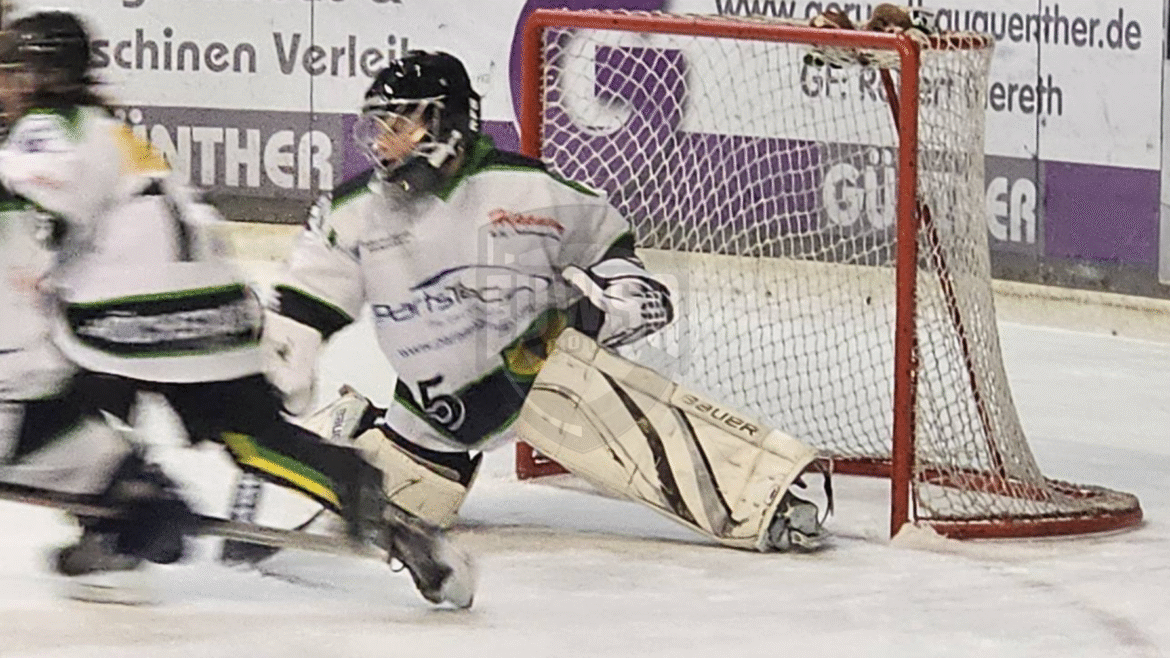
Hockey is a fast-paced and physically demanding sport that requires a combination of skill, speed, and endurance. Battle and compete training in hockey focuses on developing the players’ physical strength, mental toughness, and on-ice skills to enhance their overall performance during competitive situations. Here are some key aspects of battle and compete training in hockey:
- Strength and Conditioning:
- Off-ice strength training is crucial for building the physical foundation needed for hockey. This includes exercises to improve core strength, leg strength, and overall power.
- Agility drills help players develop quick movements and sharp changes of direction, essential for navigating the fast-paced nature of hockey.
- On-Ice Drills:
- Incorporate drills that simulate game-like scenarios, emphasizing battles along the boards, one-on-one situations, and competing for loose pucks.
- Work on puck protection skills to help players shield the puck from opponents and maintain control in tight spaces.
- Compete Mentality:
- Develop a competitive mindset among players by fostering a sense of determination, resilience, and a never-give-up attitude.
- Encourage healthy competition during practice sessions to simulate the intensity of actual game situations.
- Game Simulation:
- Create drills and scenarios that mimic real-game situations, such as power plays, penalty kills, and last-minute game situations.
- Implement small-area games to encourage quick decision-making, rapid transitions, and increased competition among players.
- Physicality Training:
- Teach players how to use their bodies effectively to gain a competitive advantage, whether it’s body positioning, checking, or winning physical battles.
- Incorporate controlled physical contact in practice to help players get accustomed to the physical nature of the game.
- Mental Toughness Training:
- Implement mental toughness exercises to help players stay focused and composed under pressure.
- Encourage players to embrace challenges, learn from failures, and develop resilience in the face of adversity.
- Team Building:
- Foster a strong sense of camaraderie and teamwork. Players who trust and support each other on and off the ice are more likely to perform well in competitive situations.
- Skill Development:
- Continuously work on individual skills such as shooting, passing, and stickhandling to ensure players are confident in their abilities during game situations.
- Game Analysis:
- Review game footage to identify areas of improvement and analyze both individual and team performances. This helps players learn from mistakes and make necessary adjustments.
By incorporating these elements into our training sessions, players can develop the physical and mental attributes needed to excel in the competitive and challenging environment of hockey.
The on Ice Focus of the Camps Is:
- Transition Skating
- Lateral Movement
- Backward Skating
- Puck Control and Passing
- Puck Retrieval & Outlet Passing
- Defensive Positioning
- Gap ControlNet Front Play
- Stick Checking
- Poke Checks & Stick Lifts
- Body Checking
- Checking Drills & Positioning for Hits
- Game Situations
- Shot Blocking

Leave a reply