
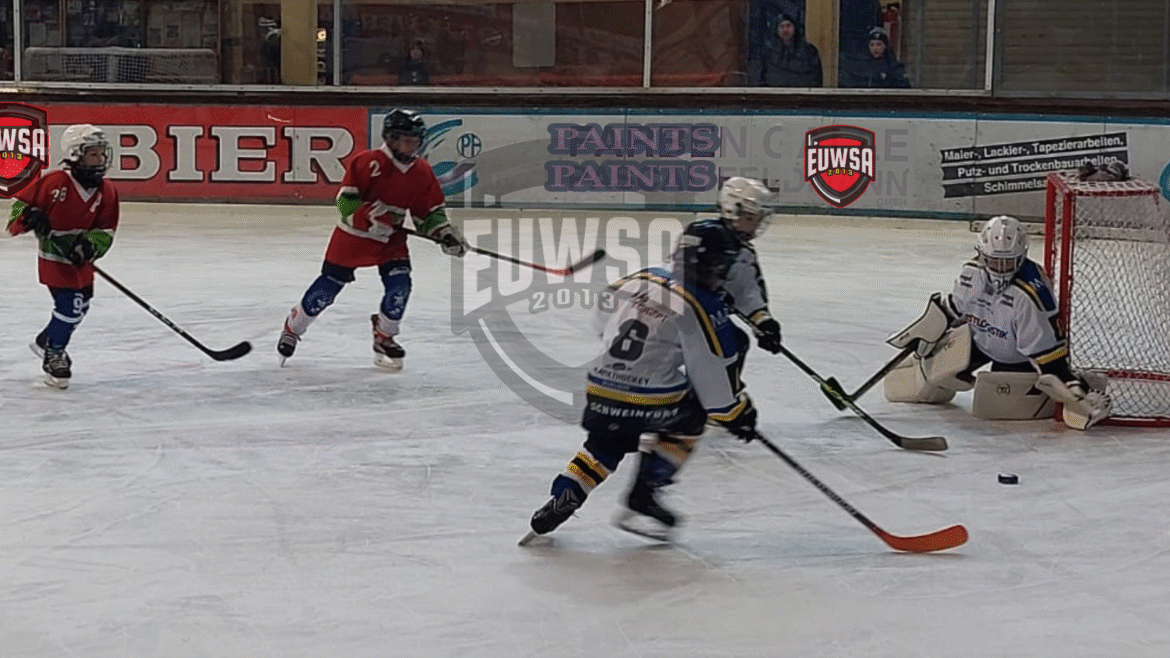
Hockey defence training is crucial for developing the skills and mindset required to excel as a defenceman in the game. Here are some key aspects to focus on during your training:
- Skating Skills:
- Agility: Work on your lateral movement, quick turns, and pivots.
- Backward Skating: Develop strong backward skating skills for effective defensive play.
- Speed: Enhance your overall skating speed to keep up with fast opponents.
- Stickhandling:
- Stick Checks: Practice using your stick for poke checks, lifts, and sweeps to disrupt opponents.
- Control: Improve your ability to control the puck, especially under pressure.
- Positioning:
- Defensive Stance: Learn and maintain a low, balanced defensive stance to react quickly to opponents’ movements.
- Gap Control: Work on maintaining an appropriate distance from the attacker to close gaps effectively.
- Reading Plays: Develop the ability to read the play and anticipate opponents’ actions.
- Body Checking:
- Legal Checking: Learn the proper techniques for body checking within the rules of the game.
- Physical Strength: Build strength to deliver effective body checks and hold your ground in battles.
- Defensive Tactics:
- Shot Blocking: Practice proper shot-blocking techniques to prevent shots from reaching the net.
- Clearing the Crease: Develop skills to clear opponents from the front of the net.
- Penalty Killing: Understand penalty killing strategies and practice them regularly.
- Communication:
- On-Ice Communication: Develop effective communication skills with your teammates to coordinate defensive strategies.
- Calling for the Puck: Communicate with your teammates when you are open for a pass.
- Game Situations:
- Scenarios: Simulate various in-game situations during practice, such as 2-on-1s or 3-on-2s, to improve decision-making.
- Breakouts: Work on your ability to initiate breakouts and move the puck up the ice.
- Conditioning:
- Endurance: Hockey games can be physically demanding, so ensure you have good cardiovascular endurance.
- Interval Training: Incorporate high-intensity interval training (HIIT) to mimic the stop-and-start nature of the game.
- Video Analysis:
- Review game footage to analyze your performance and identify areas for improvement.
- Study professional defensemen to learn from their techniques and strategies.
- Mental Toughness:
- Stay composed under pressure.
- Develop a resilient mindset to bounce back from mistakes.
We tailor your training to your specific strengths and weaknesses. Working with our coaches, can enhance your overall development as a hockey defenseman.

Leave a reply