
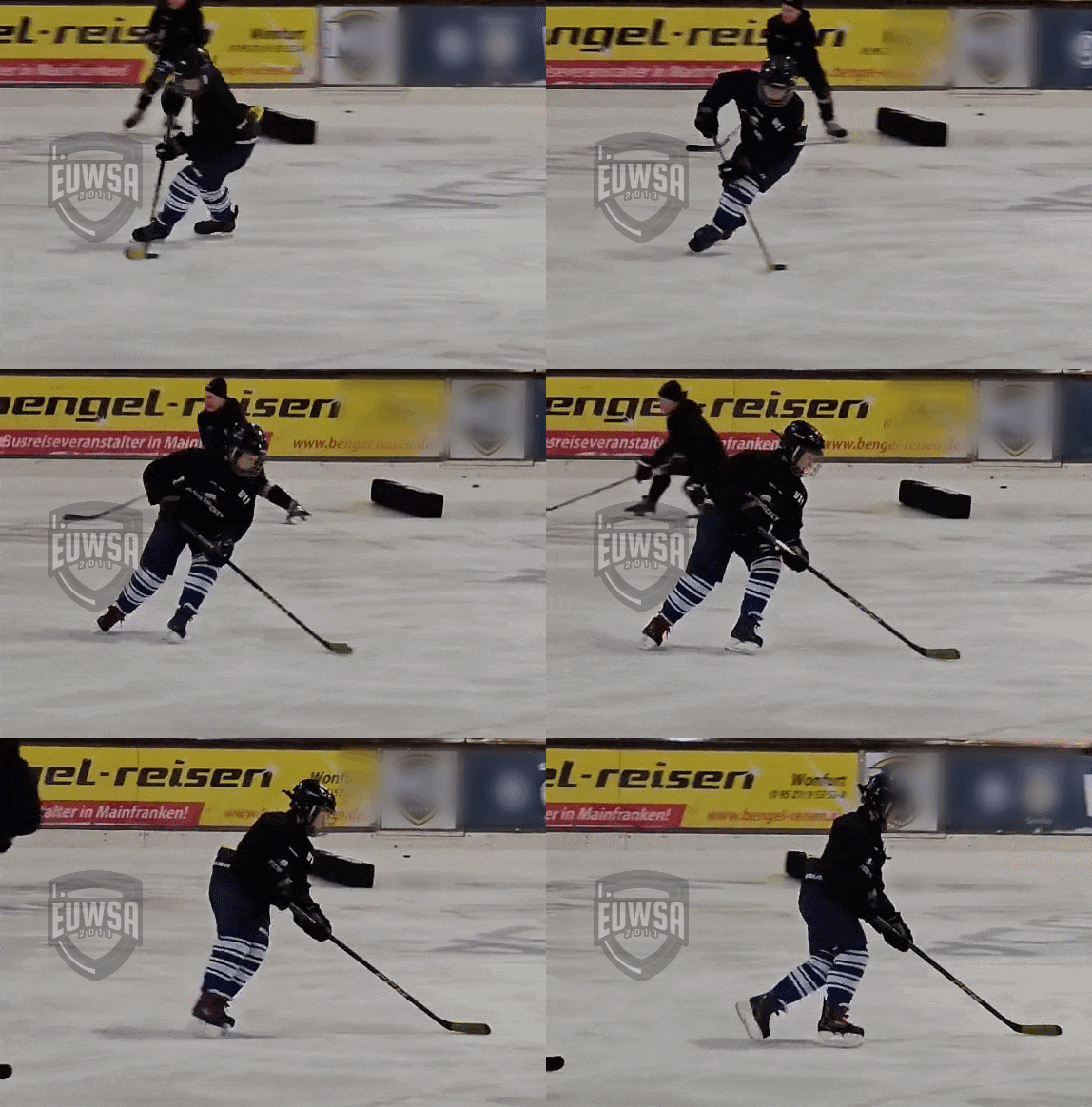
Our program is designed to help skaters progress from beginners to advanced levels, focusing on various aspects such as technique, strength, flexibility, mental resilience, and speed.
Here are some key components that may be included in a skater development program:
- Skill Levels and Progression:
- Clearly defined skill levels or stages that skaters can progress through as they develop their abilities.
- Technical Training:
- Instruction and practice sessions for mastering the technical aspects of skating, including jumps, spins, footwork, and other fundamental movements.
- Off-Ice Training:
- Physical conditioning exercises to improve strength, flexibility, balance, and endurance, which are crucial for enhancing on-ice performance and preventing injuries.
- Mental Conditioning:
- Mental training to help skaters develop focus, concentration, confidence, and resilience in the face of challenges and competition/match pressure.
- Nutrition and Wellness:
- Information and advice on proper nutrition and overall wellness to support the skater’s physical and mental health.
- Feedback and Evaluation:
- Regular assessments, feedback sessions, and goal-setting to track a skater’s progress and identify areas for improvement.
- Parent and Coach Communication:
- Open communication channels between coaches, skaters, and their parents to ensure everyone is on the same page regarding goals, progress, and any concerns.
- Inclusion of Freestyle and Creative Elements:
- Opportunities for skaters to explore and express their creativity through freestyle sessions and other non-competitive activities.
- Safety Protocols:
- Emphasis on safety, including proper equipment use, injury prevention, and awareness of skating rink rules.
Programs can be tailored to different age groups, skill levels, and individual goals. Whether for recreational enjoyment or competitive aspirations, a well-structured skater development program can contribute significantly to a skater’s overall growth and success.

Leave a reply