
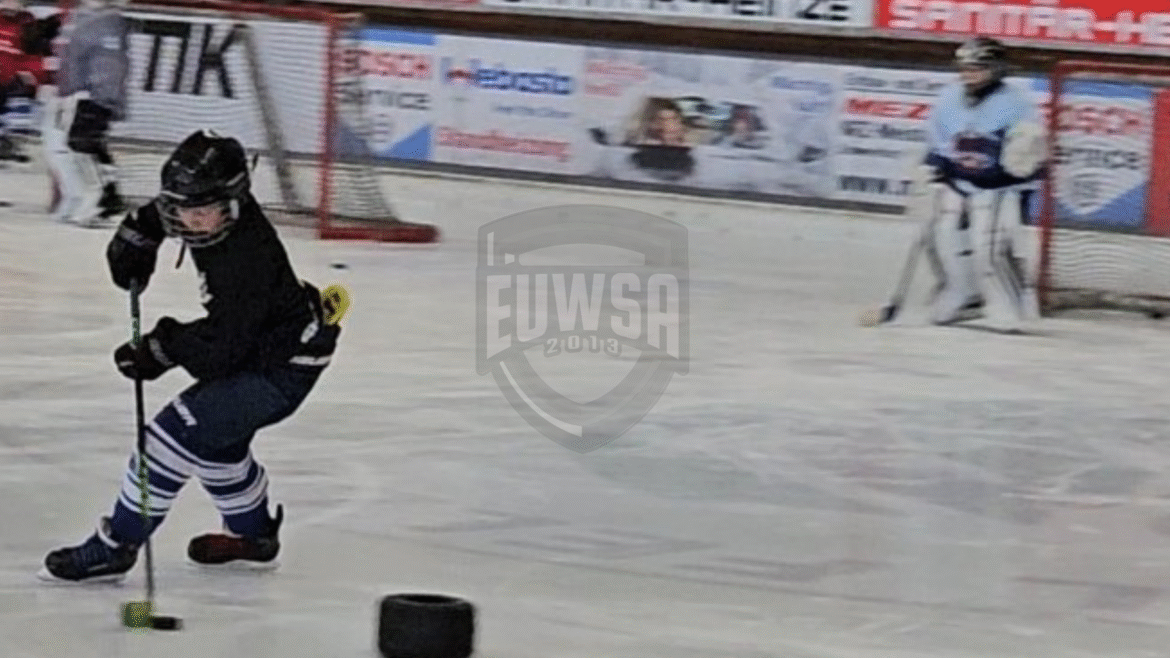
Control in hockey is a fundamental skill that involves handling the puck with precision, maintaining possession, and executing various moves to outmaneuver opponents. Here are key aspects of puck control in hockey, along with drills to enhance this skill:
- Stickhandling:
- Basic Stickhandling: Teach players to control the puck with quick and controlled stick movements. Practice dribbling the puck in various directions.
- Obstacle Courses: Set up courses with cones or other obstacles to challenge players to navigate while maintaining control of the puck.
- Puck Protection:
- Body Positioning: Emphasize using the body to shield the puck from opponents. Teach players to keep their bodies between the puck and the defender.
- One-Handed Stickhandling: Practice controlling the puck with one hand on the stick to enhance agility and protection.
- Dekes and Fakes:
- Head Fakes: Teach players to use head and shoulder fakes to deceive opponents and create space.
- Deking Drills: Practice one-on-one situations where players work on deking moves to beat defenders.
- Receiving Passes:
- Soft Hands: Train players to receive passes with soft hands to absorb the puck and maintain control.
- Quick Release: Practice quickly transitioning from receiving a pass to shooting or making a play.
- Vision and Awareness:
- Peripheral Vision Drills: Encourage players to develop awareness of their surroundings by incorporating drills that require them to keep an eye on teammates, opponents, and the puck simultaneously.
- Scanning the Ice: Teach players to scan the ice quickly before receiving the puck to make informed decisions.
- Offensive Zone Control:
- Cycling Drills: Practice maintaining possession in the offensive zone by cycling the puck with teammates.
- Puck Protection in Corners: Work on controlling the puck along the boards and in the corners, crucial areas for offensive play.
- Neutral Zone Control:
- Carrying the Puck Through Traffic: Create drills that simulate players carrying the puck through traffic in the neutral zone.
- Maintaining Possession in Transition: Emphasize controlled puck movement during transition plays.
- Stick Control:
- Quick Stick Lifts: Teach players to lift opponents’ sticks quickly to protect the puck.
- Stickhandling in Tight Spaces: Set up drills that force players to control the puck in confined spaces, promoting quick and precise movements.
- Balance and Agility:
- Skating with Puck Control: Integrate skating drills with puck control exercises to improve balance and agility while carrying the puck.
- Changing Speeds: Practice changing speeds while maintaining control to catch defenders off guard.
- Game-Like Situations:
- Small-Area Games: Engage players in small-area games that mimic real game scenarios, promoting puck control under pressure.
- Pressure Situations: Simulate game-like pressure situations during practice to develop composure and control under stress.
Consistent practice and repetition of these drills will help players develop strong puck control skills, ultimately enhancing their performance on the ice. Additionally, encouraging creativity and experimentation with different moves can contribute to a player’s ability to outsmart opponents in various game situations.
Leave a reply