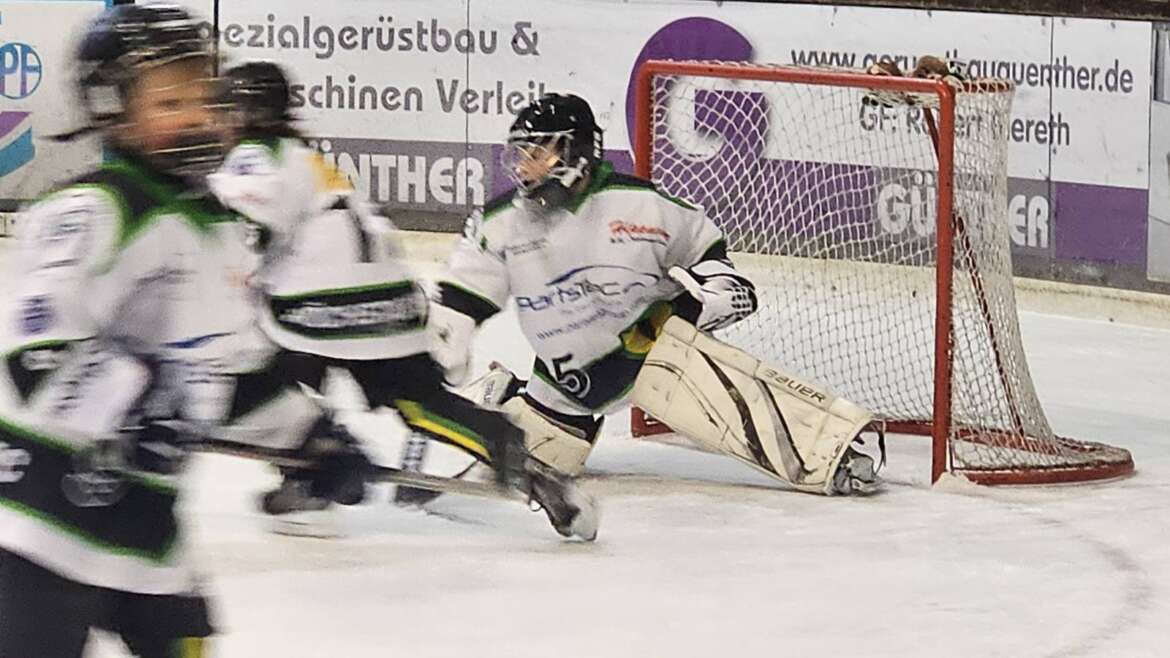
In hockey, reflexes play a crucial role in a player’s ability to react quickly and effectively to rapidly changing situations on the ice. Reflexes are particularly important for goaltenders, who need to make split-second decisions and react to shots from opposing players. Here are some aspects of reflex training in hockey:
1. **Goaltender-Specific Reflex Drills:**
– **Reaction Shots:** Have a coach or teammate take rapid shots on goal from various angles. Goalies must react quickly to make saves.
– **Screened Shots:** Simulate game situations where the goaltender’s vision is obstructed, requiring quick reflexes to track and stop the puck.
2. **Vision and Tracking:**
– **Vision Exercises:** Implement drills that enhance a player’s peripheral vision and ability to track moving objects.
– **Eye-Hand Coordination:** Use hand-eye coordination exercises off the ice to improve a player’s ability to track the puck visually.
3. **Quick Decision-Making:**
– **Rapid Decision Drills:** Create scenarios where players need to make quick decisions, such as choosing whether to pass, shoot, or deke in a split second.
– **Read-and-React Drills:** Develop drills that require players to read the play and react instantly to changing situations.
4. **Defensive Reflexes:**
– **Deflection Drills:** Train players to quickly adjust their body position and stick to deflect incoming shots, whether to redirect the puck or prevent it from reaching the net.
– **Blocking Shots:** Practice shot-blocking techniques, emphasizing quick movements to get in front of the puck.
5. **Offensive Reflexes:**
– **Rebound Control:** Teach forwards to react quickly to rebounds and capitalize on scoring opportunities.
– **One-Timers:** Work on one-timer shots to improve a player’s ability to release the puck quickly after receiving a pass.
6. **Puck Recovery:**
– **Loose Puck Drills:** Simulate situations where players must quickly locate and gain control of a loose puck in traffic.
– **Stick Checks:** Train defensive players to use quick stick checks to disrupt opponents and regain possession.
7. **Agility Training:**
– **Agility Drills:** Incorporate agility exercises into practice to enhance overall responsiveness and quick footwork.
– **Cone Drills:** Set up cone drills that require rapid changes of direction to improve a player’s agility on the ice.
8. **Reaction Time Testing:**
– **Reaction Time Drills:** Use specialized drills and tools to measure and improve a player’s reaction time.
– **Technology-Assisted Training:** Utilize technology, such as light systems or interactive screens, to create dynamic and challenging reaction time exercises.
9. **Game-Like Scenarios:**
– **Scrimmages and Small-Area Games:** Engage players in game-like situations where they must rely on their reflexes to succeed.
– **Pressure Situations:** Simulate high-pressure situations in practice to develop players’ ability to perform under stress.
10. **Video Analysis:**
– **Review Game Footage:** Analyze game footage to identify areas where players can improve their reaction time and decision-making.
– **Learn from Mistakes:** Use video analysis as a tool for players to learn from their mistakes and make adjustments.
Consistent and targeted training, both on and off the ice, is essential to develop and maintain strong reflexes in hockey. Coaches can tailor drills to address the specific needs of players and positions, helping them perform at their best during fast-paced and unpredictable game situations.
Leave a reply