
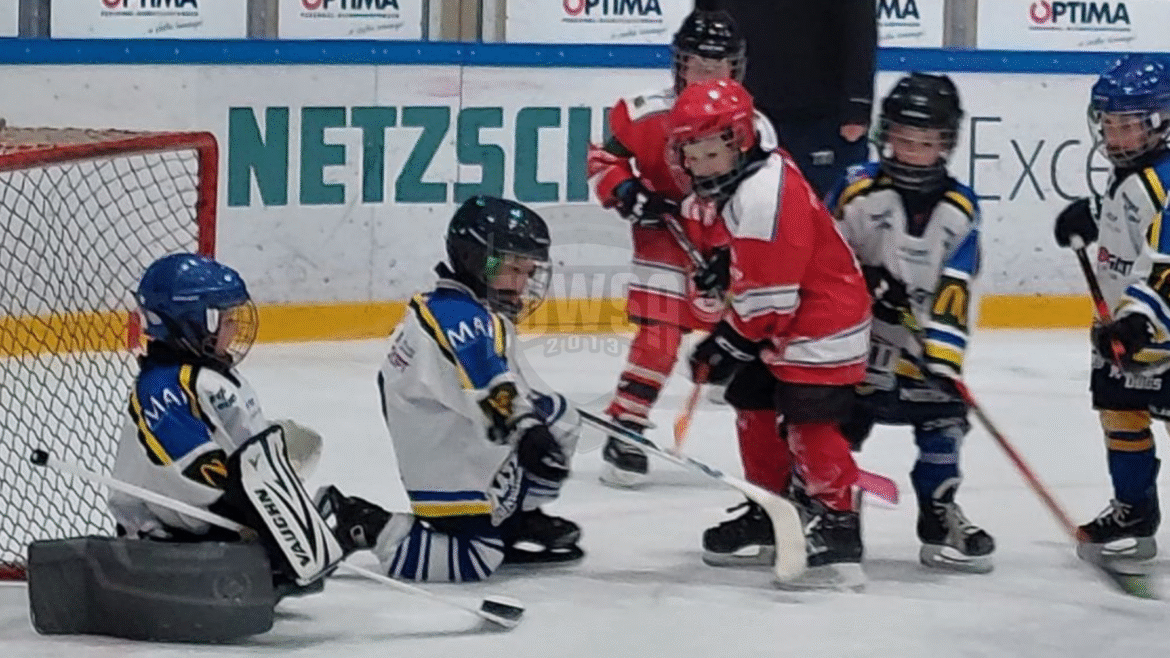
The ability of players to retain and apply the skills, knowledge, and strategies they learn during training and practice sessions. Retention is crucial for player development and overall team performance. Here are some key factors and strategies to enhance retention in hockey:
1. **Repetition and Practice:**
– **Consistent Drills:** Regularly practice fundamental skills and drills to reinforce muscle memory and improve overall proficiency.
– **Game-Like Scenarios:** Integrate game-like situations into practice sessions, allowing players to apply learned skills in situations they are likely to encounter during actual games.
2. **Feedback and Correction:**
– **Immediate Feedback:** Provide timely and constructive feedback during and after drills to correct mistakes and reinforce correct techniques.
– **Video Analysis:** Use video analysis to review players’ performance, identify areas for improvement, and help them visualize their progress.
3. **Progressive Skill Development:**
– **Sequential Learning:** Ensure that skill development follows a logical progression, starting with basic skills and gradually advancing to more complex techniques.
– **Building Blocks:** Break down complex skills into smaller, more manageable components, allowing players to master each element before combining them.
4. **Individualized Coaching:**
– **Tailored Feedback:** Recognize that players have different learning styles and strengths. Provide individualized feedback and coaching to address specific needs and maximize retention.
– **Position-Specific Training:** Tailor training programs to the specific needs of players based on their positions on the team.
5. **Game Understanding:**
– **Tactical Training:** Teach players the strategic aspects of the game, including positioning, offensive and defensive strategies, and decision-making.
– **Situational Awareness:** Develop players’ awareness of different game situations, enabling them to make informed decisions on the ice.
6. **Mental Rehearsal and Visualization:**
– **Visualization Exercises:** Encourage players to mentally rehearse plays, techniques, and scenarios. Visualization can enhance cognitive retention and improve on-ice decision-making.
– **Mental Imagery:** Incorporate mental imagery exercises to help players mentally simulate successful execution of skills and strategies.
7. **Simulated Pressure Situations:**
– **Pressure Drills:** Create practice scenarios that simulate high-pressure situations players may encounter in actual games. This helps build composure and decision-making under stress.
– **Game-Ending Scenarios:** Practice game-ending scenarios (e.g., protecting a lead or tying the game) to enhance players’ ability to execute strategies in critical moments.
8. **Regular Review Sessions:**
– **Periodic Reviews:** Conduct regular review sessions to revisit key concepts, reinforce learning, and address any lingering questions or uncertainties.
– **Team Meetings:** Use team meetings to discuss recent games, analyze performance, and reinforce team strategies.
9. **Off-Ice Conditioning:**
– **Fitness Training:** Ensure that players are physically conditioned to endure the demands of the game. Physical fitness contributes to mental sharpness and sustained focus.
– **Injury Prevention:** Address and prevent injuries through off-ice conditioning, allowing players to stay on the ice consistently.
10. **Positive Team Culture:**
– **Team Bonding:** Foster a positive team culture where players feel motivated, supported, and connected. A positive team environment contributes to better focus and retention.
– **Goal Setting:** Set individual and team goals, providing players with clear objectives to work towards and helping maintain motivation.
By incorporating these strategies, coaches and players can work together to enhance retention, ultimately leading to improved performance on the ice. Regular and purposeful practice, combined with a positive and supportive team culture, creates an environment conducive to effective skill acquisition and retention in hockey.
Leave a reply